
Ask most people who Santa Claus really is and the answer sounds simple. A jolly man, a red suit, a list of children and a Chimney entry on Christmas Eve. The real story behind Santa Claus is far more practical, strategic, and surprisingly relevant to modern Christmas culture. It was never just about children. It was about control, order, and reshaping how society behaved during the festive season
Christmas before Santa was chaos
In the early nineteenth century, Christmas was not calm or family focused. It was loud, public, alcohol fuelled and often violent. Streets filled with adults celebrating midwinter freedom rather than quiet tradition. Community leaders wanted Christmas brought indoors, made predictable, and stripped of public excess. Children became the focus not out of kindness, but because they were the key to changing adult behaviour.
St Nicholas was never meant to be soft
The figure behind Santa Claus was St Nicholas, a real historical bishop with a rough reputation. He was known for decisive action, strong morals, and direct consequences. His legends were clear. Good deeds were rewarded. Harmful actions were punished. Gift giving was not random kindness. It was behavioural reinforcement. That logic still holds power today, especially in how modern families frame Christmas expectations around effort, patience and reward.
When community leaders revived Santa, they did not do it by accident. They stripped him of heavy religion and rebuilt him as a domestic figure. He came through the Chimney instead of the church. He rewarded good behaviour instead of preaching doctrine. Stories were written to make him friendly, consistent, and child focused. This change reshaped Christmas into a home based event. Parents stayed inside. Streets stayed quieter. Order replaced chaos.
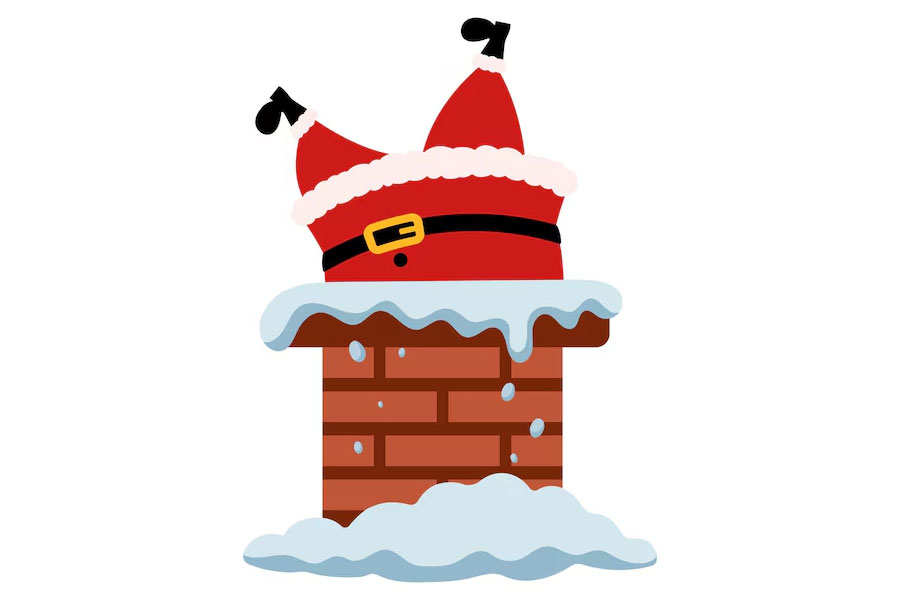
When Santa Got Stuck Up the Chimney became part of the myth
Stories evolved to make Santa relatable. Moments like When Santa Got Stuck Up the Chimney added humour and humanity. The Chimney became symbolic. It represented controlled access, invitation, and trust. Santa did not break in. He entered homes that welcomed him. That image still resonates strongly in Australian households, even where fireplaces are rare. The story remains powerful because it reinforces choice and participation rather than force.
Santa was always sales oriented
Santa did not commercialise Christmas by accident. His design made him perfect for it. A clear promise. A clear reward. A clear timeframe. Behaviour leads to outcome. That structure mirrors effective sales psychology today. This is why Santa appears in retail campaigns, service promotions, and seasonal messaging across Melbourne every year. He converts attention into action.
The real lesson behind Santa Claus
The real story behind Santa Claus is not about magic. It is about structure, trust, and behavioural influence. Santa was built to change how people act, not just how they feel. That is why he has lasted for centuries and why he still dominates Christmas messaging in Australia today.
Once you understand that, Santa stops being a fairy tale and starts looking like one of the most effective cultural strategies ever created.
